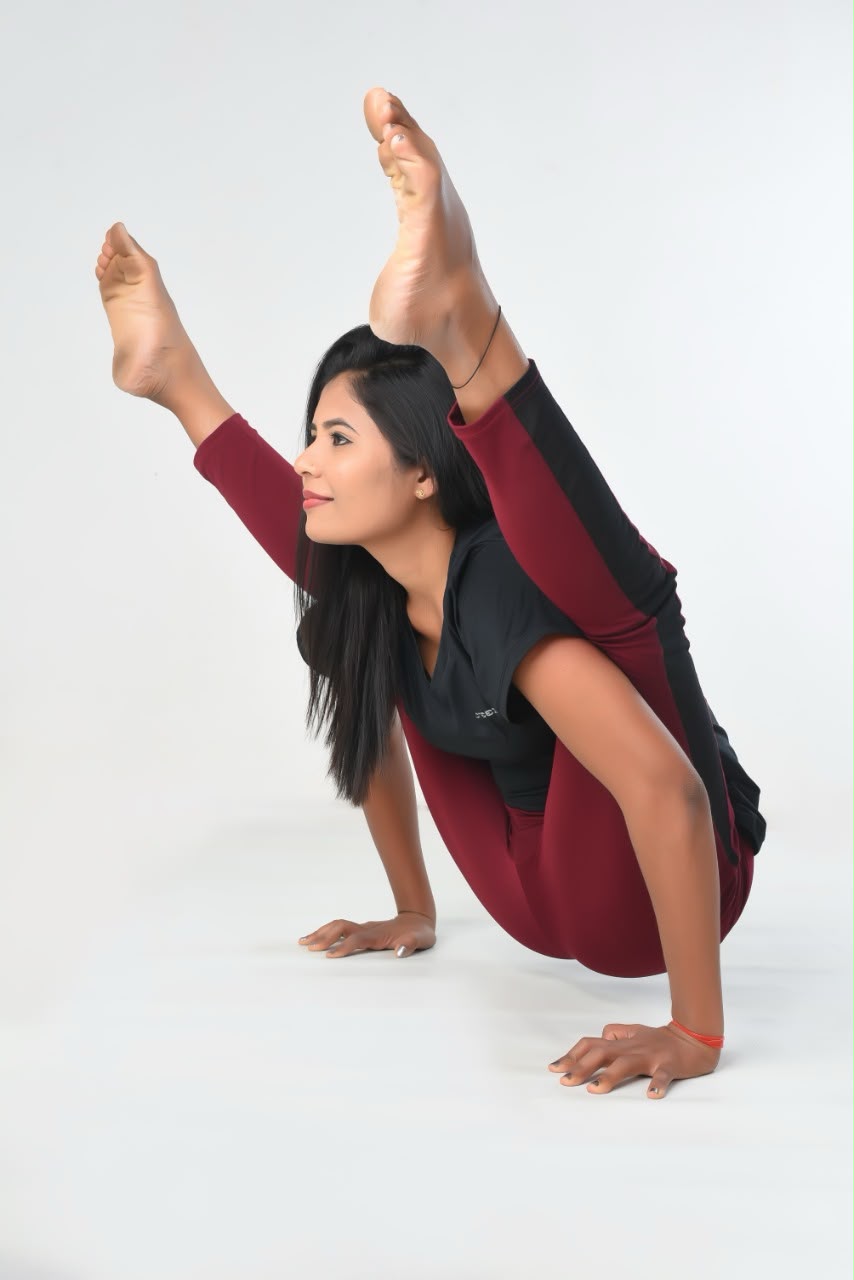
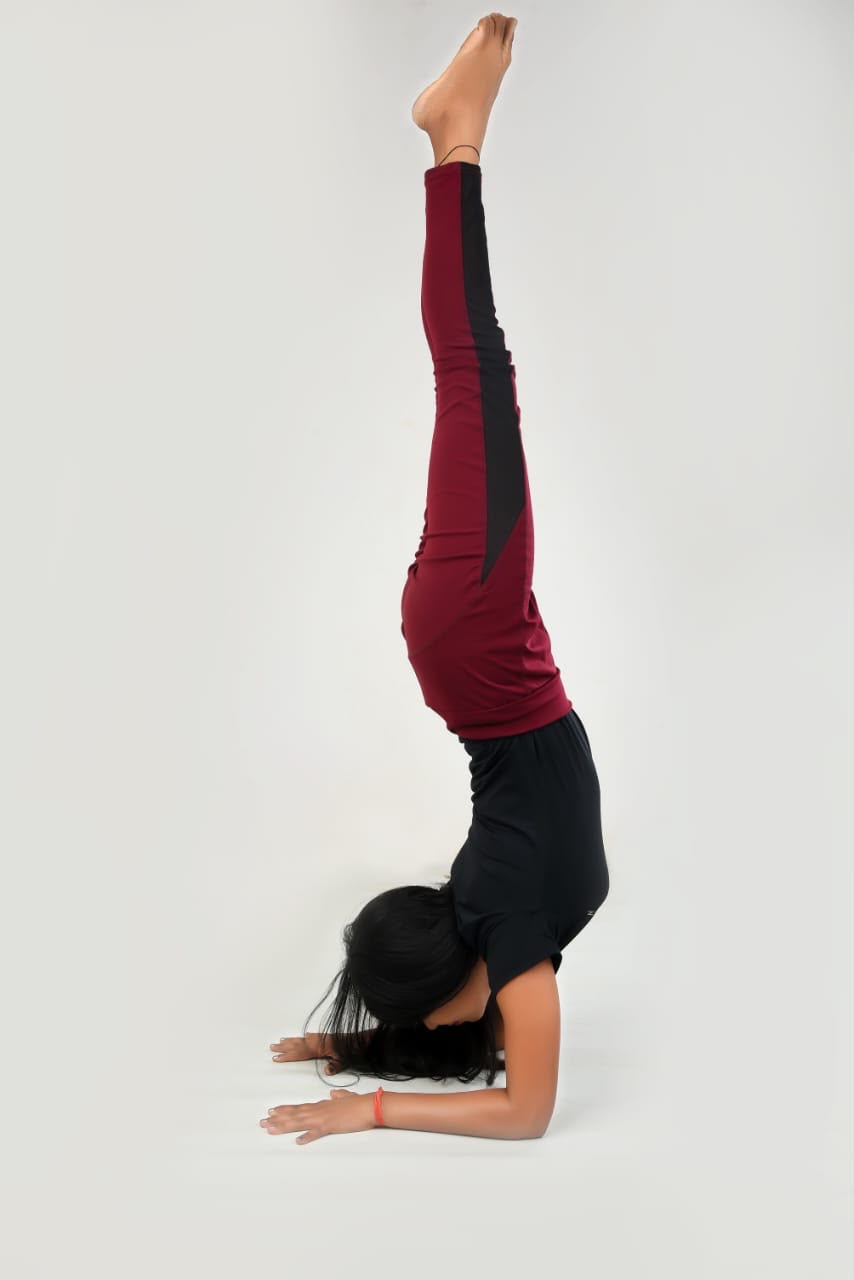
Pincha Mayurasana, also known as the Forearm Stand, is an advanced yoga posture that combines strength, balance, flexibility, and concentration. In this pose, the body is inverted while the forearms support the body weight and the legs extend upward toward the ceiling.
Unlike a traditional handstand, Pincha Mayurasana places the main support on the forearms and elbows. The pose requires strong shoulders, arms, wrists, core muscles, and good body awareness.
Because this is an advanced inversion, beginners should learn it gradually and preferably practice under the guidance of a qualified yoga instructor.
What Is Pincha Mayurasana?
The Sanskrit name Pincha Mayurasana comes from the words Pincha, meaning feather, and Mayura, meaning peacock. The posture is commonly known as the Forearm Stand.
In this pose, the practitioner balances the body upside down on the forearms while keeping the legs extended upward. Maintaining this position requires a combination of upper-body strength, core stability, flexibility, and balance.
How to Perform Pincha Mayurasana
Follow these steps carefully:
- Begin in a kneeling position on your yoga mat.
- Place your forearms firmly on the floor, keeping your elbows approximately shoulder-width apart.
- Spread your fingers and create a stable foundation with your forearms and hands.
- Lift your hips upward and straighten your legs as you would when preparing for an inversion.
- Walk your feet closer toward your elbows while keeping your shoulders active.
- Engage your abdominal muscles and gradually shift your body weight forward.
- Slowly lift one leg upward, followed by the other leg.
- Bring both legs toward a vertical position above your shoulders.
- Keep your legs straight and engage your core to maintain balance.
- Breathe slowly and remain in the position only for as long as you can maintain proper control.
- Carefully lower one leg at a time and return to the floor.
Do not kick aggressively into the pose. Controlled movement is safer and helps develop better balance.
Benefits of Pincha Mayurasana
1. Strengthens the Shoulders and Arms
Since the forearms and shoulders support most of the body's weight, regular practice can help build upper-body strength and stability.
2. Improves Core Strength
Keeping the body aligned while upside down requires strong abdominal and core muscles. The core helps prevent the body from losing balance.
3. Develops Balance and Coordination
Pincha Mayurasana challenges your ability to control your body in an inverted position. With regular practice, it can improve balance, coordination, and body awareness.
4. Improves Shoulder Stability
The posture requires active engagement of the shoulders and upper back. This can help practitioners develop better shoulder control and stability.
5. Enhances Concentration
Balancing upside down requires focus and mental control. Practicing this posture can encourage concentration and mindfulness.
6. Improves Body Awareness
In an inversion, even small changes in body position can affect balance. Pincha Mayurasana therefore helps practitioners become more aware of alignment and movement.
Muscles Involved in Pincha Mayurasana
Several muscle groups work together to maintain this posture, including:
- Shoulders
- Triceps
- Forearms
- Upper back
- Abdominal muscles
- Hip flexors
- Glutes
- Quadriceps
- Hamstrings
Maintaining proper alignment is important because the pose places significant demand on the upper body and core.
Common Mistakes to Avoid
Pincha Mayurasana can be difficult to master. Avoid these common mistakes:
- Placing the elbows too far apart.
- Collapsing the shoulders.
- Putting excessive pressure on the neck.
- Arching the lower back excessively.
- Kicking forcefully into the inversion.
- Holding the breath.
- Trying to hold the pose for too long.
- Practicing without adequate warm-up.
The goal should be controlled balance rather than simply getting the legs off the ground.
How Beginners Can Prepare
Beginners should not immediately attempt a full Forearm Stand. Start by developing the strength and mobility required for the posture.
Useful preparatory exercises include:
- Dolphin Pose
- Downward-Facing Dog
- Forearm Plank
- Plank Pose
- Shoulder-opening exercises
- Core-strengthening exercises
- Wall-supported forearm balance practice
Practicing against a wall can help beginners become familiar with the inverted position while reducing the fear of falling.
How Long Should You Hold Pincha Mayurasana?
Beginners should focus on short, controlled holds rather than trying to stay upside down for a long period.
Once you can maintain proper alignment comfortably, gradually increase the duration. Always come out of the pose if you lose control or feel pain.
Quality, alignment, and breathing are more important than holding the posture for a specific amount of time.
Precautions and Safety
Pincha Mayurasana is an advanced inversion and should be practiced carefully.
People with existing wrist, elbow, shoulder, neck, or back injuries should avoid attempting the pose without professional guidance. Anyone who feels pain, dizziness, numbness, or unusual discomfort should come out of the posture immediately.
Always warm up your shoulders, arms, wrists, and core before attempting this inversion.
If you are new to inversions, practicing with a qualified yoga instructor can help you learn proper technique and alignment.
Pincha Mayurasana vs. Handstand
Although both poses are inversions, their foundations are different.
In a Handstand, the hands and wrists support the body, whereas in Pincha Mayurasana, the forearms and elbows provide the primary support.
Both postures require strong shoulders and core muscles, but Pincha Mayurasana places a different demand on the upper body because the forearms create a broader base of support.
Final Thoughts
Pincha Mayurasana (Forearm Stand) is a challenging but rewarding yoga inversion that combines strength, balance, flexibility, and concentration. With consistent practice and proper preparation, practitioners can gradually improve their ability to control the body in this advanced posture.
Do not rush the process. Build your shoulder and core strength first, practice with proper alignment, and progress gradually. Yoga is not about forcing the body into a difficult position—it is about developing control, awareness, and stability over time.
Come to the mat. Breathe. Listen. Begin again.